

Why emotionally intelligent leaders
will thrive in the AI era:
5 ways to strengthen this critical skill
Featured UQ experts: Emeritus Professor Neal Ashkanasy and Associate Professor Yiqiong Li
Picture this: your team member is burning the candle at both ends, struggling to balance their workload alongside mounting family and personal commitments. Their inbox is overflowing, deadlines are piling up and the pressure is beginning to take a toll.
Ten years ago, they might have turned to a trusted colleague or manager for emotional support. Today, many people are just as likely to seek help from an AI assistant.
But AI recognising your emotions doesn’t mean it understands them, and receiving an AI-generated response that simulates empathy isn’t equivalent to fostering a genuine human connection.
That's where emotional intelligence comes in. As AI becomes more embedded in the workplace, the ability to recognise, understand and manage emotions is emerging as a defining leadership capability.
According to Emeritus Professor Neal Ashkanasy OAM – a UQ Business School expert in emotions at work – emotional intelligence is crucial to performing under pressure.
“A lack of emotional intelligence awareness can undermine team culture, leave leaders feeling exhausted and make it harder to achieve results," Emeritus Professor Ashkanasy said.
And it's not just a theoretical concept. In a recent randomised controlled trial of Australian Special Forces soldiers, Emeritus Professor Ashkanasy and his colleagues – Dr Jemma King, Associate Professor Yiqiong Li and Professor Nicole Gillespie – found structured emotional intelligence training improved emotional regulation, stress management and performance under pressure.
Now, the researchers behind that study explain why emotional intelligence is essential in the AI era and share practical strategies to help develop this skillset.
Listen to this story
What is emotional intelligence?
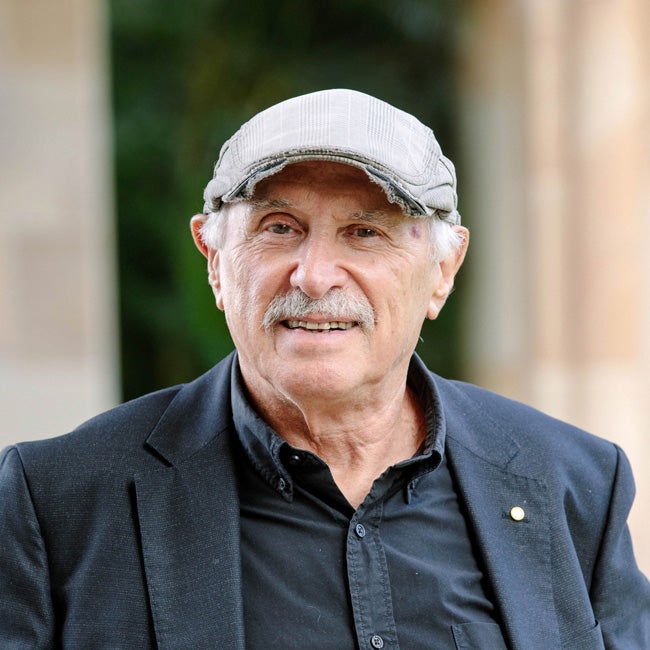
Drawing on one of the most widely used definitions in his field, Emeritus Professor Ashkanasy described emotional intelligence as the ability to perceive, understand, use and manage emotions effectively.
“At its core, emotional intelligence is about understanding what’s happening emotionally, recognising how emotions influence behaviour and responding constructively,” he said.
For leaders, it means acknowledging that emotions, to varying extents, shape everything from decision-making and team dynamics to performance and organisational culture.
"We're all influenced by our emotions,” Emeritus Professor Ashkanasy said.
“The key is to recognise that influence and learn how to use our emotions effectively.”
In practice, he said emotionally intelligent leaders might notice when a team member is struggling, adapt their communication style during periods of uncertainty or recognise when their own emotional state is colouring their decision-making.
Why emotional intelligence is valuable in an AI-powered workplace
As Emeritus Professor Ashkanasy points out, AI can already perform some tasks that are traditionally associated with emotional intelligence, such as recognising emotion in faces, voice and text, using algorithmic cues to interpret patterns, and providing real-time “emotional feedback”. However, there are limits to its capabilities.
“At least with today’s technology, AI has no subjective feelings, consciousness, physiological arousal or lived human experience,” Emeritus Professor Ashkanasy said.
In other words, AI can identify emotional patterns, but it doesn’t experience emotions or understand the unique context, history and nuances of relationships.

Associate Professor Yiqiong Li – a UQ Business School expert in HR management and organisational behaviour – said this distinction matters for organisations.
“As AI increasingly performs our analytical and routine cognitive tasks, human value is becoming more concentrated in skills that AI struggles to replicate, such as trust, conflict management, influence and leadership,” Dr Li said.
“AI can help leaders prepare for conversations, analyse communication and even simulate empathic responses.
“But leadership ultimately involves a relationship between people. The challenge for leaders is therefore not to compete with AI, but to use it without surrendering the emotional and relational capabilities on which trust, influence and effective leadership depend.”
In fact, Dr Li said relying too much on AI-mediated communication could reduce the depth and authenticity of workplace relationships.
“Leadership effectiveness depends not only on communicating information, but also on reading emotions, sensing concerns that remain unspoken, building trust and adapting responses to individuals and situations,” she said.
“These capabilities are difficult to develop without direct human engagement.”
Read: explore the leadership qualities that AI will never replace
Emotional intelligence is a skill, not a personality trait
One of the biggest misconceptions about emotional intelligence is that people either have it or they don’t.
“Although people may naturally differ in their emotional capabilities, research increasingly shows that we can develop our emotional intelligence,” Dr Li said.
While most workplaces are a far cry from combat environments, Dr Li said their findings had important implications for leaders and organisations in corporate settings.
“Emotional intelligence can help people regulate stress, maintain focus, make sound decisions and collaborate effectively, whether they’re dealing with tight deadlines, high workloads, organisational change, interpersonal conflict or technological disruption,” she said.
“Burnout often develops when stress accumulates over time and people lack the resources to effectively manage the emotional, cognitive and physiological demands placed upon them.
“The ability to recognise early signs of stress and respond adaptively can therefore be an important protective factor.”
4 emotional intelligence capabilities worth developing
Dr Li and Emeritus Professor Ashkanasy said the emotional intelligence training offered in their study was made up of 4 core components:
 1. Emotional awareness
Recognising emotions in yourself and others is the foundation of emotional intelligence. This capability includes noticing early signs of stress, reading non-verbal cues, listening to tone of voice and understanding how others may be feeling.
“Being self-aware means recognising your emotional triggers, understanding how you respond to stress and being aware of how your behaviour affects those around you,” Dr Li said.
“Self-awareness provides the foundation for all other emotional intelligence skills.”
 2. Emotional understanding
Emotionally intelligent people do more than identify emotions – they also understand why emotions arise and how they influence behaviour, communication and decision-making.
This capability helps people better navigate conflict, manage stakeholder relationships and respond appropriately to challenging situations.
 3. Emotional facilitation
Rather than suppressing emotions, emotionally intelligent people use them as information. An effective use of emotions can support creativity, problem-solving, decision-making and resilience under pressure.
 4. Emotional regulation
The ability to manage anxiety, frustration, uncertainty and pressure rather than reacting impulsively helps people remain adaptable and effective in challenging situations.
Five tips to help you build emotional intelligence at work
Dr Li and Emeritus Professor Ashkanasy share 5 practical tips to help leaders and team members build their emotional intelligence in the workplace.
1. Pause before reacting. Notice when emotion may be shaping your interpretation of a situation, the decisions you make and the outcomes you create.
“The key habit of emotionally intelligent leaders is the ability to stop, reflect and understand that their decision-making and behaviour isn’t infallible – it’s often influenced by fluctuating emotions,” Emeritus Professor Ashkanasy said.
2. Read the room and use emotions as information. Pay attention to tone, timing, body language, micro-expressions and what people aren’t saying.
Emeritus Professor Ashkanasy said it was important to understand that an organisation’s emotional climate could affect performance just as much as strategy or systems.
“Ask what frustration, anxiety or resistance might be signalling in yourself or others,” he said.
3. Practise having difficult conversations. Use AI for preparation if you find it helpful, but don’t outsource the human interaction to a machine.
“If you rely completely on AI to draft sensitive messages, resolve conflicts, provide feedback or communicate difficult decisions, you may have fewer opportunities to practise the social and emotional skills that underpin emotional intelligence,” Dr Li said.
“Don’t erode your own skills by routinely delegating these interactions to AI.”
4. Place equal weight on developing your empathy and relationship-building skills as you would your technical skills.
Dr Li said career success was rarely determined by technical competence alone.
“The ability to listen actively, understand different perspectives, communicate effectively and build trust with colleagues, clients and leaders is crucial,” she said.
“Strong relationships often create more opportunities for learning, collaboration, mentorship and career advancement.”
5. Treat emotional intelligence as a capability. If you’re in a leadership position, invest purposefully in training, reflection and feedback, rather than assuming your people either “have it” or they don’t.
“Think of emotional intelligence as a strategic asset that’s critical for organisations and individuals and worthy of investment,” Dr Li said.
Develop your emotional intelligence with a UQ Executive Education course
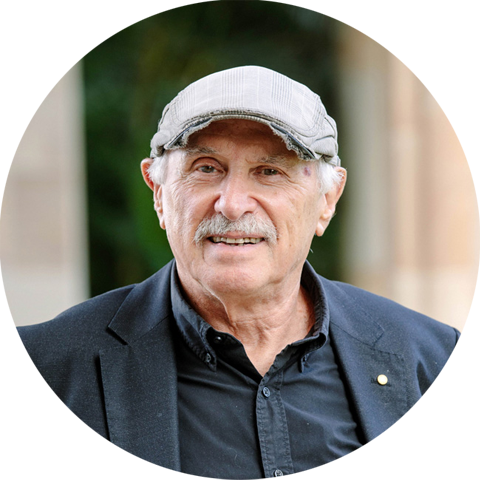 Emeritus Professor Neal Ashkanasy OAM
Neal Ashkanasy is an Emeritus Professor of Management at UQ Business School and a leading expert in organisational culture, ethics and emotions in organisations. He has been named a Fellow of several prestigious academies and associations, including the Academy for the Social Sciences in the UK and Australia, the Association for Psychological Science, and most recently, the Academy of Management. In 2017, he was awarded a Medal in the Order of Australia.
Contact Emeritus Professor Ashkanasy
 Associate Professor Yiqiong Li
 specialises in research within the domains of human resources management and organisational behaviour, with a particular focus on workplace bullying prevention. Her research agenda explores how organisational and job factors influence work-related well-being and seeks to translate this knowledge into strategies that enhance employee health and safety.